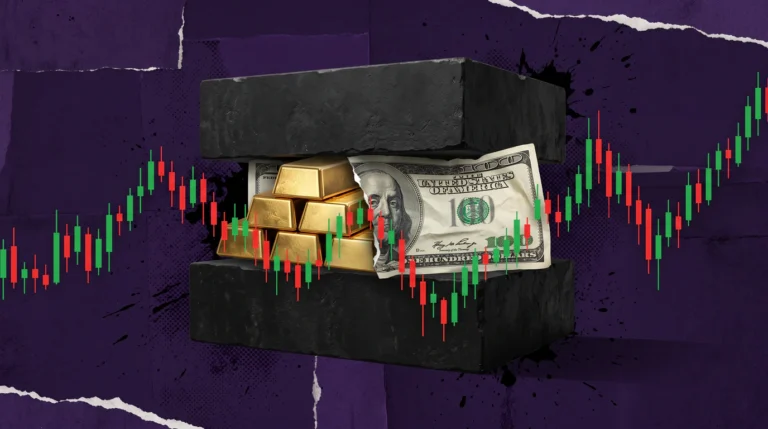

Japan is highly likely to intervene if USD/JPY sustains above 160.00, especially during thin holiday liquidity. The Bank of Japan faces immense pressure to halt the yen’s 40-year slide.
You are watching the yen collapse to 162.84, its weakest since 1986, and wondering if your short-yen positions are about to get wiped out by a surprise Ministry of Finance move. With U.S. markets closed for a public holiday this Friday, liquidity will evaporate, creating the perfect storm for Tokyo to strike. You need to know exactly when the trap will spring and how to protect your capital. Here’s how to navigate this USD/JPY intervention risk.
The 24-Hour Snapshot
Yen Plunges to 40-Year Low as USD/JPY Surges to 162.84
- Why: The yield gap between the U.S. and Japan widens as Fed rate hike odds jump to 67%.
- Level: 162.84 (The exact threshold that triggered verbal and actual warnings just weeks ago).
The Three-Layer Analysis
- The Event: The yen has deteriorated rapidly to 162.84 per dollar, ignoring previous warnings from Japanese officials.
- The Reaction: Institutional traders are nervously covering short-yen positions, anticipating that the Ministry of Finance (MoF) will step in to defend the currency.
- The Next Trigger: Friday’s U.S. public holiday. The absence of American market participants creates a “thin liquidity” environment, a market condition with very few buyers and sellers, causing prices to jump erratically, which historically provides the maximum impact for currency intervention.
TL;DR
- The Catalyst: The yen has plunged to a 40-year low of 162.84, driven by a massive divergence in monetary policy. According to the CME FedWatch Tool, Federal Reserve rate hike odds have surged from 20.5% to 67% in just one month.
- The Trigger: A U.S. public holiday on Friday creates thin market liquidity, historically the preferred window for Japanese authorities to maximize intervention impact.
- The Action: Traders must tighten stop-losses, reduce leverage, and avoid initiating new directional bets ahead of the holiday weekend to avoid sudden, violent whipsaws.
Why USD/JPY Intervention Matters Right Now
To understand the current crisis, we must look at the data, not the noise. As of July 2, 2026, markets are reacting to a fundamental breakdown in the yield differential—the difference in interest rates between two countries, which drives capital flows.
When U.S. interest rates are high and Japanese interest rates remain near zero, investors sell yen to buy dollars, seeking higher returns. This mechanical selling pressure is what pushed USD/JPY to 162.84. However, the speed of this decline is what triggers the USD/JPY intervention threshold.
According to the Bank of Japan (BoJ), a rapidly depreciating currency imports inflation by making energy and food exports more expensive. With Japanese consumer confidence data showing signs of fatigue, the BoJ and the MoF are backed into a corner. They cannot tolerate a disorderly market.
Furthermore, historical precedent dictates that 162.84 is a critical line in the sand. The last time the yen traded at these levels was in 1986. Back then, the Plaza Accord was being negotiated to devalue the dollar. Today, the dynamics are different, but the psychological weight of a 40-year low forces the hands of policymakers. If Tokyo allows the yen to break 163.00 without a fight, they risk losing all credibility in the financial markets.
Execution: Navigating the USD/JPY Intervention Risk
When a central bank enters the market, retail and institutional traders alike can get caught on the wrong side of a massive move. Here is your step-by-step execution plan to protect your portfolio ahead of the holiday.
1. Audit Your Leverage and Margin
Intervention events are characterized by extreme volatility. In a matter of minutes, USD/JPY can move 300 to 500 pips. If you are trading with high leverage, a sudden 200-pip spike against your position will trigger a margin call, liquidating your account before you can react.
- Action: Calculate your position size based on a 500-pip adverse move, not a 50-pip move. If your account cannot withstand a 500-pip drawdown, reduce your position size immediately.
2. Widen Stop-Losses or Hedge with Options
During a holiday, “thin liquidity” means that stop-loss orders can suffer from severe slippage. Slippage occurs when your stop-loss is triggered, but the order executes at a much worse price than you specified because there are no buyers at your target price.
- Action: If you must hold short-yen positions over the weekend, do not use tight stop-losses. Instead, widen them to account for volatility spikes, or hedge your risk by purchasing out-of-the-money USD put options. Options provide a defined risk parameter without the threat of slippage.
3. Monitor the 160.00 Psychological Level
While the current price is 162.84, the 160.00 level remains a massive psychological and technical barrier. If the yen strengthens and breaks back below 160.00, it will trigger automated algorithmic selling of the dollar, accelerating the yen’s rally.
- Action: Set price alerts at 161.50 and 160.00. Do not attempt to catch the falling knife if intervention is announced. Wait for the initial 30-minute volatility to settle, let the market establish a new baseline, and then reassess your entry.
What If It Fails: The Risks of a Failed Intervention
It is a common misconception that when Japan intervenes, the yen automatically strengthens. The data tells a more nuanced story. Intervention is not a magic wand; it is a tool to buy time.
If the MoF steps in on Friday and sells dollars to buy yen, but the fundamental yield differential remains unchanged, the market will eventually test Tokyo’s resolve again. We saw this in 2022. Japan intervened multiple times, temporarily pushing the pair down, but because the Fed kept hiking rates, USD/JPY eventually resumed its uptrend and made new highs.
The Downside Risk: If Japan intervenes and the market absorbs the selling without a sustained reversal, it signals to the market that Tokyo has limited ammunition. This can lead to a “short squeeze” failure, where the yen actually crashes faster post-intervention as speculators realize the central bank cannot fight the macro trend.
Therefore, never treat an intervention announcement as a guaranteed signal to go “all in” on a long-yen position. The utility of intervention is to smooth out the volatility, not necessarily to reverse a multi-year macroeconomic trend.
Expert Insight: The Hidden Mechanics of the ‘Liquidity Vacuum’
Here is a pro tip that most retail traders miss: Japanese authorities do not just wait for holidays to intervene; they actively use the holiday liquidity vacuum to maximize their impact.
When U.S. markets are closed, the daily trading volume in USD/JPY drops by roughly 30% to 40%. In a normal market, if the MoF wants to move the currency pair by 100 pips, they might need to sell $5 billion worth of dollars. But in a thin holiday market, the “order book” (the list of pending buy and sell orders) is empty.
Because there are fewer resting orders to absorb the shock, a $2 billion intervention can move the pair 300 pips. Tokyo gets three times the “bang for their buck.”
The Contrarian Take: Do not assume the intervention will be massive in dollar terms. Assume it will be highly targeted. The MoF will likely execute a series of rapid, smaller inquiries with major banks, a tactic known as “rate checks” to test the market’s depth before committing actual capital. If you see sudden, unexplained spikes in the yen at 8:00 AM New York time on a Friday, that is the rate check. It is the warning shot before the actual artillery arrives.
FAQ
What triggers a USD/JPY intervention?
A USD/JPY intervention is typically triggered by rapid, one-sided depreciation that threatens to import inflation and destabilize the domestic economy, rather than a specific price level.
How long does a Japanese currency intervention last?
The immediate market impact usually lasts 24 to 48 hours. Without a subsequent change in interest rate policy by the Bank of Japan, the fundamental trend often resumes within a few weeks.
Will the Federal Reserve stop the yen from falling?
Only if the Federal Reserve cuts interest rates or signals aggressive dovishness. As long as U.S. rates remain higher than Japanese rates, the yield differential will continue to pressure the yen.
Is it safe to trade USD/JPY over the holiday weekend?
Trading over a holiday weekend carries elevated risk due to thin liquidity, which can cause extreme price gaps and slippage. It is generally safer to reduce exposure before the market closes.
Do not let holiday volatility catch your portfolio off guard. Follow and learn from The Traders Legacy Trading Risk Checklist to ensure your stops, leverage, and hedges are perfectly calibrated before the U.S. markets close.
Trading involves significant risk of loss. Past performance is not indicative of future results. This content is for educational purposes only and does not constitute financial advice.